

 0
 0
Introduction
Low water pressure can be a frustrating problem in any household. It can lead to inefficient showers, slow-filling washing machines, and ineffective irrigation systems. Understanding the underlying causes and implementing appropriate solutions can significantly improve your water pressure. In this comprehensive guide, we will explore the common reasons for low water pressure and provide detailed steps to fix it.
Low water pressure refers to a situation in which the flow or force of water through a plumbing system is weaker than what is considered normal or adequate for typical household activities. It means that water is not coming out of faucets, showerheads, or other fixtures as forcefully as it should. This can lead to several inconveniences and difficulties in performing various tasks that rely on sufficient water pressure.
Common signs of low water pressure include:
- Slow-Filling Fixtures: It takes a long time for sinks, bathtubs, or toilets to fill up.
- Weak Shower Stream: The water flow from the showerhead is not as strong as usual, making showers less efficient.
- Difficulty in Using Appliances: Washing machines, dishwashers, and other appliances that rely on a steady flow of water may not operate properly.
- Inefficient Lawn and Garden Irrigation: Sprinklers and hoses may not cover the intended area due to inadequate water pressure.
- Struggling Faucets: Faucets may only produce a weak trickle of water, making it challenging to wash hands or dishes effectively.
- Water Heater Issues: In some cases, low water pressure can affect the performance of water heaters, leading to issues with hot water supply.
- Inconsistent Flow: Water flow may fluctuate, going from normal pressure to weak or vice versa.

Aleasha 48 Functions Black Dual Rain Shower Head System with Handheld
Low water pressure can be caused by various factors, including problems in the municipal water supply system, issues within the home’s plumbing, fixture-specific concerns, or issues with private well systems (if applicable). It’s important to diagnose and address the underlying cause to restore proper water pressure and ensure the efficient functioning of household plumbing fixtures and appliances.
Understanding the Causes of Low Water Pressure
1. Municipal Supply Issues
One of the primary causes of low water pressure can be attributed to problems within the municipal water supply system. This can include issues with the main supply lines, water treatment facilities, or peak usage times.
Checking with Local Authorities:
Contact your local water department to inquire if there are any ongoing maintenance or repair works that might be affecting the water pressure in your area.
Installing a Pressure-Boosting Pump:
If the low pressure is consistent and the municipality cannot rectify the issue, consider installing a pressure-boosting pump to increase the pressure at the point of entry.
Installing a Pressure Reducing Valve (PRV):
If the water pressure is excessively high, a PRV can be installed to regulate and reduce the pressure.
2. Plumbing System Problems
Problems within your home’s plumbing system are a common cause of low water pressure.
Inspecting for Leaks:
Examine your pipes, joints, and fixtures for any visible signs of leaks. Leaks can drastically reduce water pressure and waste a significant amount of water.
Clearing Clogs and Deposits:
Mineral deposits and debris can accumulate in pipes and fixtures, causing obstructions. Flushing out these clogs can restore water pressure.
Replacing Old or Damaged Pipes:
Over time, pipes can deteriorate, leading to reduced water flow. Replacing old or damaged pipes can improve water pressure.
Addressing Improperly Sized Pipes:
In some cases, pipes that are too narrow for the demand they serve can lead to low water pressure. Upgrading to appropriately sized pipes may be necessary.

QSBOFOST 4 inch 2-Handle Centerset Bathroom Sink Faucet
3. Fixture-Specific Concerns
Individual fixtures in your home, such as faucets and showerheads, can develop issues that lead to low water pressure.
Cleaning Faucet Aerators:
Mineral buildup in faucet aerators can restrict water flow. Removing and cleaning them can help restore pressure.
Replacing Old or Faulty Fixtures:
Over time, fixtures can wear out or become damaged. Replacing them with newer, more efficient models can improve water pressure.
4. Water Source Problems
For homes with private wells, issues with the well system or sediment buildup can lead to low water pressure.
Well System Inspection and Maintenance:
Regular maintenance and inspection of the well system can prevent issues that lead to low water pressure.
Addressing Sediment Buildup in Water Heaters:
Sediment buildup in water heaters can obstruct the flow of water. Flushing the tank can help restore water pressure.
How to Fix Low Water Pressure
Fixing low water pressure involves a systematic approach to identify and address the underlying causes. Here is a step-by-step guide to help you resolve this issue:
Check for Municipal Supply Issues:
- Contact Local Authorities:
Inquire if there are any ongoing maintenance or repair works in your area that might be affecting the water pressure.
- Install a Pressure-Boosting Pump:
If the low pressure is consistent and the municipality cannot rectify the issue, consider installing a pressure-boosting pump to increase the pressure at the point of entry.
- Install a Pressure Reducing Valve (PRV):
If the water pressure is excessively high, a PRV can be installed to regulate and reduce the pressure.
Inspect for Plumbing System Problems:
- Look for Leaks:
Examine your pipes, joints, and fixtures for any visible signs of leaks. Leaks can drastically reduce water pressure and waste a significant amount of water.
- Clear Clogs and Deposits:
Mineral deposits and debris can accumulate in pipes and fixtures, causing obstructions. Flushing out these clogs can restore water pressure.
- Replace Old or Damaged Pipes:
Over time, pipes can deteriorate, leading to reduced water flow. Replacing old or damaged pipes can improve water pressure.
- Address Improperly Sized Pipes:
In some cases, pipes that are too narrow for the demand they serve can lead to low water pressure. Upgrading to appropriately sized pipes may be necessary.
Inspect and Address Fixture-Specific Concerns:

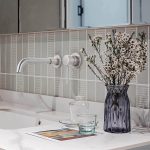
ARCORA Single Handle Waterfall Spout Faucet for Bathroom Sink
- Clean Faucet Aerators:
Mineral buildup in faucet aerators can restrict water flow. Removing and cleaning them can help restore pressure.
- Replace Old or Faulty Fixtures:
Over time, fixtures can wear out or become damaged. Replacing them with newer, more efficient models can improve water pressure.
Address Water Source Problems (for homes with private wells):
- Well System Inspection and Maintenance:
Regular maintenance and inspection of the well system can prevent issues that lead to low water pressure.
- Address Sediment Buildup in Water Heaters:
Sediment buildup in water heaters can obstruct the flow of water. Flushing the tank can help restore water pressure.
- Seek Professional Assistance if Needed:
If you encounter difficulties in identifying or rectifying the issue, it’s advisable to seek professional plumbing assistance to ensure a reliable and lasting solution.
Remember to turn off the water supply before conducting any inspections or repairs. Additionally, if you’re not comfortable or familiar with plumbing work, it’s best to consult a professional plumber to avoid causing further damage.
Conclusion
Low water pressure can be a frustrating problem, but with a systematic approach, it can often be resolved. By understanding the underlying causes and following the steps outlined in this guide, you can enjoy improved water pressure in your home. If, however, you encounter difficulties in identifying or rectifying the issue, it is advisable to seek professional plumbing assistance to ensure a reliable and lasting solution.




Average Rating